

Navigate the Mother City Like a Local: Peak Avoidance Hours, Smart Timing Tips & Stress-Free Drives
Welcome to Cape Town, a vibrant city in South Africa known for its stunning landscapes and bustling city life. Navigating traffic in Cape Town, especially during rush hour, can be challenging, but with our travel guide, you’ll discover the best times to beat the traffic and make the most of your visit. Whether you’re planning a day trip from Cape Town or exploring the iconic Table Mountain, understanding the peak traffic periods is essential.
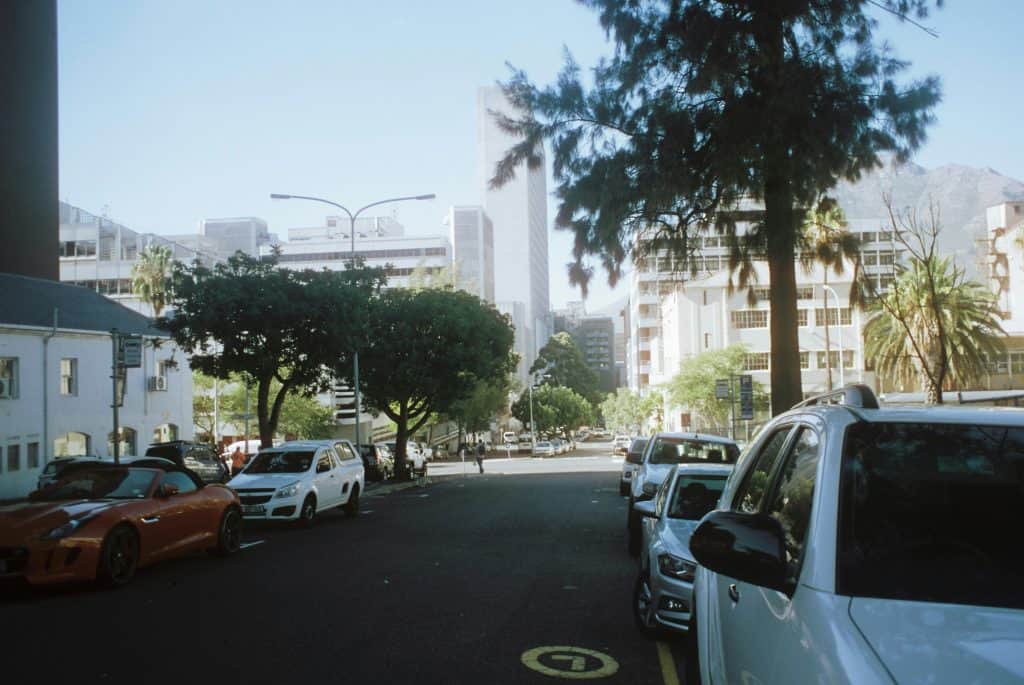
Understanding Rush Hour in Cape Town
Cape Town, a congested city nestled in the Western Cape, experiences significant traffic congestion during specific hours of the day. Knowing these peak times will help you plan your itinerary effectively. This section of our travel guide aims to provide a comprehensive overview of when and why Cape Town traffic becomes particularly challenging, ensuring a smoother travel experience throughout the Cape Peninsula.
Defining Rush Hour in Cape Town
Understanding rush hour in Cape Town is important when planning airport transfers, private tours, wine trips, or shuttle services. Traffic patterns in the city can significantly affect travel times, especially on major routes connecting the City Bowl, suburbs, and surrounding regions.
Morning Rush Hour
Morning traffic typically runs from 6:30 AM to 9:00 AM, with the busiest period between 7:00 AM and 8:30 AM. During this time, commuters travel from residential suburbs such as Northern and Southern Suburbs toward the City Bowl, Century City, Claremont, and other business districts.
Key congestion areas often include:
N1 inbound toward Cape Town
N2 inbound from the airport and Somerset West
M3 toward the city
Main routes around Woodstock and Observatory
Afternoon & Evening Rush Hour
Afternoon congestion usually starts around 3:30 PM and can last until 6:30 PM, peaking between 4:00 PM and 6:00 PM. Traffic flows outward from the city toward suburban areas.
The N1 and N2 outbound lanes are commonly affected, along with major connecting routes such as the M5 and R300.
Friday Traffic Patterns
Fridays often see heavier congestion from mid-afternoon onward, especially during summer months. Traffic toward the Winelands, Atlantic Seaboard, and Garden Route can increase significantly as residents leave for weekend getaways.
Seasonal Variations
Summer (December–February): Increased tourist traffic, especially toward beaches, wine regions, and Cape Peninsula routes.
School Holidays & Long Weekends: Higher volumes on highways leading out of Cape Town.
Winter: Generally lighter tourist traffic, though commuter congestion remains consistent.
Planning Around Rush Hour
When scheduling airport transfers or private tours, it’s advisable to:
Allow extra travel time during peak hours
Depart earlier for airport drop-offs
Avoid starting long-distance trips during late afternoon congestion
Consider mid-morning departures for day tours
Being aware of Cape Town’s rush hour patterns helps ensure smoother journeys and better time management, whether travelling for business, leisure, or a private sightseeing experience.
Factors Contributing to Cape Town Traffic Congestion
Several factors contribute to the heavy traffic in Cape Town. As one of South Africa’s major economic hubs, the influx of commuters traveling to and from Cape Town’s city centre exacerbates congestion. The city’s geographical constraints, with mountains and oceans limiting road expansion, and the increasing number of vehicles on the road also play significant roles. According to TomTom, Cape Town consistently ranks high among cities with the worst traffic.
Impact of Rush Hour on Travelers
Rush hour in Cape Town can significantly affect travel plans, especially for visitors unfamiliar with local traffic patterns. Whether heading to the airport, joining a private tour, or travelling to the Cape Winelands, understanding the impact of peak traffic times helps ensure a smoother experience.
Longer Travel Times
During peak morning and afternoon periods, travel times can increase noticeably on major highways such as the N1, N2, M3, and M5. A journey that normally takes 25 minutes can extend to 45 minutes or more during heavy congestion. This is particularly important for airport transfers and time-sensitive bookings.
Stress and Fatigue
Sitting in traffic can add unnecessary stress to what should be a relaxed travel experience. For visitors on holiday, time spent in congestion reduces sightseeing opportunities and can affect the overall enjoyment of the day.
Delays to Tours and Activities
Late departures due to traffic may shorten time spent at attractions, wine estates, or restaurants. For example, leaving the city during late afternoon rush hour for a Winelands dinner reservation could result in arrival delays.
Increased Transport Costs
Extended travel times can sometimes impact vehicle hire duration or chauffeur service hours. Planning efficiently helps avoid unnecessary extensions.
Missed Flights or Appointments
One of the biggest risks of rush hour congestion is underestimating airport transfer times. Cape Town International Airport routes can experience peak-hour bottlenecks, especially on the N2 inbound or outbound lanes.
Reduced Flexibility
Heavy traffic limits spontaneous itinerary changes. Adding an extra stop or detour becomes more difficult when roads are congested.

Best Times to Beat the Traffic
Morning Rush Hour Patterns
The morning rush hour in Cape Town typically begins around 7:00 AM and lasts until 9:00 AM, with traffic congesting routes leading into Cape Town Central and the CBD. Major roads like the N1 and N2 experience the highest traffic density as commuters head to work. To beat the traffic, it’s best to avoid driving during these peak times or consider a day trip from Cape Town to escape the congestion.
Evening Rush Hour Insights
The evening rush hour in Cape Town usually starts around 4:00 PM and extends to 6:00 PM, as people leave work and head home. During these peak times, outbound routes from Cape Town Central become heavily congested. Understanding these patterns helps you optimize your Cape Town itinerary and avoid unnecessary delays. South Africa Travel’s private shuttle services and chauffeur services can help.
Alternative Times for Easier Travel
For easier travel around Cape Town, aim to drive between 10:00 AM and 3:00 PM when traffic is generally lighter. Weekends also offer significantly less congestion, making it the best time to visit attractions like Table Mountain and Cape Point. Planning your activities around these alternative times can enhance your overall experience in this congested city and enjoy the city in South Africa.
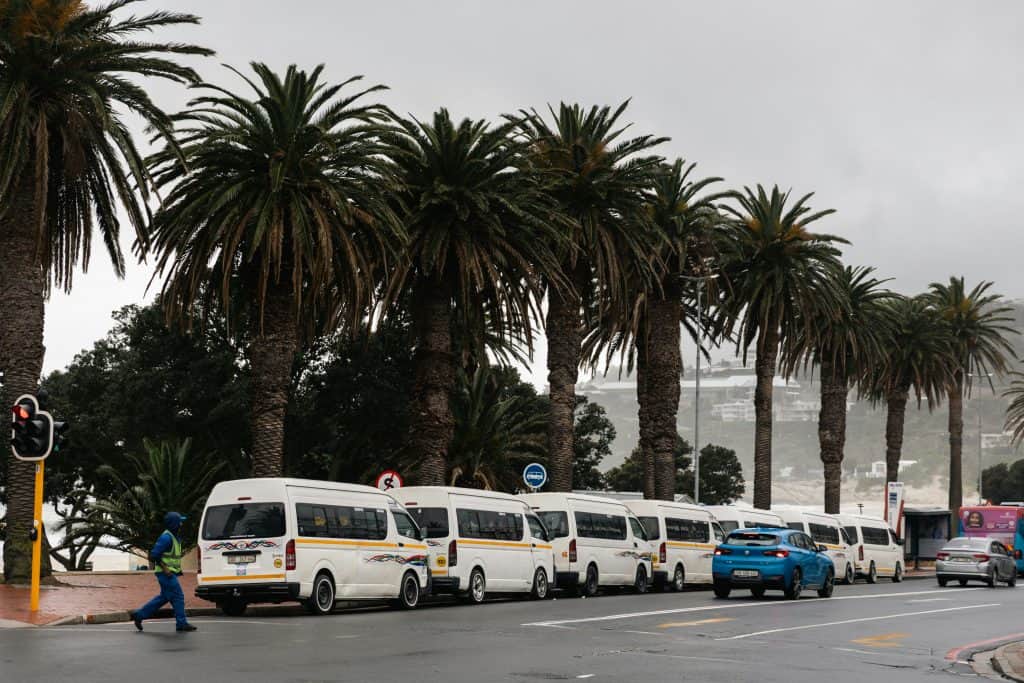
Driving in Cape Town: Tips and Tricks
Navigating Congested Areas
When driving in Cape Town, certain areas are known for persistent congestion. The city centre, particularly around the CBD, and major intersections along the N1 and N2 are prone to heavy traffic. Utilizing navigation apps like TomTom can provide real-time updates and help you navigate around these congested areas efficiently. The MyCiTi bus service can be a great alternative.
Using TomTom for Traffic Updates
TomTom is an invaluable tool for navigating Cape Town traffic. It provides real-time traffic updates, alternative route suggestions, and estimated travel times. Regularly checking TomTom before and during your drive can help you avoid heavily congested areas and find the best route to your destination. Knowing the TomTom global traffic index of the Cape Peninsula helps you navigate the roads of the Western Cape.
Recommended Routes to Avoid Rush Hour
Cape Town’s peak traffic periods can affect major highways and city access points, but with smart route planning, much of the congestion can be minimised. Knowing alternative roads and optimal travel directions helps create smoother journeys for airport transfers, private tours, and day trips to the Winelands or Cape Peninsula.
Alternative to the N1 (Northern Suburbs & Winelands)
The N1 inbound toward the City Bowl is heavily congested in the mornings, while outbound lanes are busy in the late afternoon.
Suggested alternatives:
R44 via Stellenbosch or Somerset West when travelling between the Winelands and the Southern Suburbs.
R300 to connect between the N1 and N2 without entering central congestion.
Durban Road / Bottelary Road for local access between Bellville and Stellenbosch.
These routes can help bypass peak bottlenecks near Century City and central Cape Town.
Alternative to the N2 (Airport & Somerset West)
The N2 inbound toward the city during morning rush hour and outbound during late afternoon can slow considerably.
Suggested alternatives:
M7 (Jakes Gerwel Drive) to connect between the N2 and N1.
R300 as a bypass between highways.
For Southern Suburbs access, M5 may offer smoother movement depending on timing.
When heading to Cape Town International Airport during peak periods, departing earlier remains the most reliable strategy.
Avoiding City Bowl Congestion
The City Bowl becomes congested during both peak periods.
Recommended options:
Travel via De Waal Drive (M3) instead of inner-city roads when possible.
Use Kloof Nek Road strategically when moving between the City Bowl and Atlantic Seaboard outside peak hours.
Plan mid-morning departures (after 9:30 AM) for tours starting from central Cape Town.
Travelling to the Cape Winelands
For wine tours to Stellenbosch or Franschhoek:
Depart after 9:30 AM to avoid commuter traffic.
Use Helshoogte Pass (R310) when travelling between Stellenbosch and Franschhoek for a scenic and less congested option.
Avoid late afternoon returns between 4:00 PM and 6:00 PM when possible.
Travelling to Cape Peninsula
When heading toward Hout Bay, Cape Point, or Camps Bay:
Start early (before 8:00 AM) to avoid traffic toward the Atlantic Seaboard.
Use Ou Kaapse Weg as an alternative to busier main routes when travelling from the Southern Suburbs.
Plan Chapman’s Peak Drive visits outside peak afternoon congestion.
General Strategy to Avoid Rush Hour
Travel mid-morning (9:30 AM–3:00 PM) when possible
Avoid 4:00 PM–6:00 PM outbound traffic
Leave earlier than required for airport transfers
Work with drivers who know local back routes
Monitor traffic apps for real-time updates
Careful route planning ensures smoother transfers, more relaxed tours, and a better overall travel experience in and around Cape Town.

Accommodation Options in Cape Town
Hotels in Cape Town Near Major Attractions
Choosing the right hotel location in Cape Town can make your trip smoother and more enjoyable. Staying close to major attractions means less travel time, easier access to tours, and more time to explore. Below are some of the best areas and hotel options near Cape Town’s top sights.
V&A Waterfront – Close to Shopping, Dining & Harbour Views
The V&A Waterfront is one of the most popular areas to stay in Cape Town. It offers direct access to restaurants, shops, boat cruises, the Two Oceans Aquarium, and incredible views of Table Mountain.
Recommended hotels in this area include:
One&Only Cape Town – Luxury resort-style accommodation with exceptional service and waterfront views.
Cape Grace – Elegant and refined, located right on the harbour.
The Silo Hotel – Iconic boutique luxury hotel with panoramic city and mountain views.
Radisson RED V&A Waterfront – Modern and vibrant, ideal for younger travellers.
Victoria & Alfred Hotel – Comfortable and perfectly positioned in the heart of the Waterfront.
This area is ideal for first-time visitors who want everything within walking distance.
City Bowl & Gardens – Central & Convenient
The City Bowl offers easy access to Table Mountain, Kloof Street, museums, restaurants, and nightlife. It’s a great base for travellers who want to be central while still close to attractions.
Popular options include:
Taj Cape Town – Luxury hotel with a blend of historic charm and modern comfort.
Pepperclub Hotel – Stylish accommodation with mountain views and great amenities.
The Cape Milner – Boutique hotel in a quieter part of the city centre.
Staying here provides quick access to private tours and transfers heading to the Cape Peninsula or Winelands.
Camps Bay – Beach & Scenic Beauty
If ocean views and beachside living are priorities, Camps Bay is a top choice. This area offers direct access to the beach, sunset views, and a lively restaurant strip.
Recommended hotels:
The Bay Hotel – Luxury beachfront hotel with excellent facilities.
POD Camps Bay – Boutique, contemporary hotel just steps from the beach.
The Marly Boutique Hotel – Modern and stylish with ocean-facing rooms.
Camps Bay is ideal for couples and leisure travellers seeking a relaxed yet upscale atmosphere.
Sea Point & Green Point – Coastal & Relaxed
These areas offer a laid-back coastal vibe while still being close to the Waterfront and city centre.
Good options include:
Radisson Blu Sea Point – Comfortable stay with ocean views.
The Hyde Hotel – Modern and convenient near the promenade.
Protea Hotel Sea Point – Reliable and centrally located.
This area is perfect for morning walks along the promenade and easy access to sightseeing.
Choosing the Right Location
Stay at the Waterfront for walkability and convenience.
Choose the City Bowl for central access to attractions and nightlife.
Pick Camps Bay for beach views and sunset experiences.
Select Sea Point or Green Point for a relaxed coastal stay.
Where you stay can enhance your entire Cape Town experience. If you’d like, I can tailor this section specifically to match your South Africa Travel tours and transfer services with recommended pickup logistics.
Choosing Hotels with Easy Access to Transport
Opting for hotels that offer easy access to public transportation can also help you navigate Cape Town more efficiently. Hotels near MyCiTi bus stops or train stations allow you to avoid driving in congested areas, especially during rush hour in Cape Town. This can save you time and reduce stress, making your days in Cape Town more enjoyable in this congested city.
Benefits of Staying in Cape Town Central
Staying in Cape Town Central offers numerous advantages, including proximity to business districts, tourist attractions, and public transportation. This central location minimizes the need for long commutes during peak times, helping you beat the traffic. Plus, many hotels in the CBD offer shuttle services, further easing your travel experience and allowing you to fully enjoy Cape Town’s vibrant atmosphere. Consider these hotels during your next visit to Cape Town.

Transportation Alternatives
Private Shuttle Services in Cape Town
For a hassle-free experience, consider using private shuttle services in Cape Town, especially when traveling during rush hour in Cape Town. Services like South Africa Travel’s private shuttle services offer a convenient and reliable way to navigate the city, with professional drivers who know the best routes to beat the traffic. This option is perfect for airport transfers, business meetings, or day trips from Cape Town.
Chauffeur Services: A Convenient Option
For travellers seeking comfort, flexibility, and a personalised travel experience in Cape Town and its surrounding regions, chauffeur services are an excellent choice. Whether you’re flying into Cape Town, heading to the Winelands for wine tastings, exploring the city’s attractions, or travelling between destinations, a private chauffeur offers convenience and peace of mind from start to finish.
What Chauffeur Services Offer
Professional, courteous drivers
Your chauffeur is more than just a driver — they’re trained to prioritise your comfort, safety, and timing. They know the best routes, how to navigate rush-hour traffic, and how to make your journey smooth and enjoyable.
Door-to-door convenience
Forget navigating public transport or rideshare apps. Your chauffeur meets you at your chosen pickup point — whether that’s the airport, hotel, or private accommodation — and delivers you directly to your destination.
Flexible, customised travel
Chauffeur services adapt to your schedule and preferences. You decide the itinerary — whether it’s a scenic coastal drive, a full-day wine tour, or a quick city transfer.
Comfortable and premium vehicles
Travel in style with vehicles that prioritise comfort — from luxury sedans and executive SUVs to larger vans for groups. Enjoy climate control, spacious interiors, and luggage assistance.
When Chauffeur Services Are Ideal
Airport Transfers
Arrive in Cape Town without the stress of finding transport. Your chauffeur can track your flight, assist with luggage, and ensure a seamless transfer to your accommodation.
Sightseeing & Day Tours
Explore Table Mountain, Cape Point, Boulders Beach, or the Cape Winelands with ease. A chauffeur can adapt your day as you go — with plenty of stops for photos, refreshments, or local experiences.
Wine Tours
Head to Stellenbosch, Franschhoek, Paarl, or other wine regions without worrying about driving. Spend your day tasting wines, enjoying vineyard views, and savouring local cuisine.
Business Travel
For corporate visitors, chauffeur services provide punctual, professional transportation between meetings, events, and the airport.
Special Occasions
Celebrate anniversaries, birthdays, proposals, or any special moment with private, luxury transport.
Benefits of Choosing a Chauffeur
✔ Stress-free travel — no navigation or parking concerns
✔ Time-efficient itineraries tailored to your plans
✔ Local knowledge from your driver about sights and routes
✔ Safe travel — especially after wine tastings
✔ Ideal for groups, families, couples, or solo travellers
Public Transport vs. Private Services
While Cape Town does offer public transport options, such as the MyCiTi bus service, they may not always be the most efficient choice during rush hour in Cape Town. Public transport can be crowded and may not serve all areas of the Cape Peninsula directly. Private shuttle services and chauffeur services offer a more flexible and comfortable alternative, helping you to beat the traffic and maximize your time in Cape Town. These are definitely the best times to be in Cape Town.

Frequently Asked Questions
When are the morning peak times to visit Cape Town to avoid traffic?
Morning peak in Cape Town typically runs from about 06:30 to 09:00 on weekdays, with many commuters heading toward town and popular areas. Data shows that congestion levels rise sharply during these hours, especially on routes into the city center and along main arterials; if you visit Cape Town outside of this window you’ll encounter fewer cars on the road. Practical tips include starting trips earlier than 06:30 or after 09:30, using Waze to monitor real-time conditions, and planning scenic drives for off-peak times when possible.
How does December and January congestion affect way to get around Cape Town?
December and January are among the busiest months because Cape Town is a city holiday magnet and many commuters are augmented by tourists. During this period congestion levels increase around beaches, the V&A Waterfront and access roads to the Cape of Good Hope. To get around, consider avoiding peak weekend travel times, using public transport where available, or renting a car with flexible return times. Waze and local traffic apps can help you choose alternative routes and take advantage of dedicated lane options where they exist.
What are practical tips to avoid getting stuck in traffic when you visit Cape Town?
Practical tips include traveling outside of morning peak and evening rush, checking Waze for live updates, choosing accommodations close to your main activities, and scheduling visits to popular areas early in the day. If you rent a car, plan scenic drives during off-peak hours and be aware that many commuters create heavier flows during November and March school and holiday transitions. Also consider public transport or ride-hailing for short trips to avoid hunting for parking during busy times.
Is it better to rent a car in Cape Town or rely on other ways to get around?
Rent a car if you plan scenic drives to the Cape of Good Hope or want flexibility to explore outlying areas; Cape Town offers many beautiful routes but also many cars on the road during peak periods. If you prefer to avoid being stuck in traffic or unfamiliar parking, use ride-hailing, guided tours, or public transport for inner-city travel. Data shows that for day trips and routes to scenic spots a car is convenient, but within the city center it can be slower due to congestion levels.
How do congestion levels change near the Cape Malay neighborhoods and other popular areas?
Popular areas, including historic Cape Malay neighborhoods, the Waterfront and Table Mountain access points, see fluctuating congestion levels—higher during weekends, holidays and market days. If you plan to explore Cape Malay cultural areas, aim for weekday mid-mornings or late afternoons to avoid crowds. Many commuters also pass through adjacent corridors, so using Waze can help you sidestep temporary bottlenecks.
What does data show about traffic patterns toward town and major arteries?
Data shows that commuter flows concentrate toward town during morning peak and outward in the evening, with clear spikes in November and March linked to school terms and in December and January for the holiday season. Major arteries carry the bulk of cars on the road and experience the highest congestion levels. To minimize delays, plan around these data-backed windows and choose secondary roads or alternative travel times whenever possible.
Are there dedicated lane or transit options that make getting around easier in Cape Town?
Some corridors have dedicated lanes for buses or high-occupancy vehicles, which can speed travel during busy times, but they are not ubiquitous across the metro. Cape Town offers a mix of MyCiTi bus services and shuttle options that can use dedicated lanes on certain routes, helping avoid being stuck in traffic. For best results, check route maps and schedules in advance and combine public transit with short walking segments in popular areas.
What are recommended scenic drives and timing advice for enjoying Cape Town without heavy traffic?
Recommended scenic drives include the coastal route to the Cape of Good Hope, Chapman’s Peak Drive and the drive toward town along the Atlantic seaboard. To enjoy them without heavy traffic, start early or late afternoon outside of the December and January holiday rush. Many commuters and tourists contribute to congestion on weekends, so weekday drives or early starts yield better conditions and more time to appreciate vistas without the pressure of many cars on the road.